A lot of traders learn about hedging only after a good trade turns into a rule breach. You are up, news hits, price snaps back, and suddenly your open profit is gone while your daily loss line gets uncomfortably close. A proper hedge in forex is not a trick for squeezing extra profit out of the market. It is a risk tool for staying alive long enough to trade the next setup.
What Is Hedging in Forex and Why Does It Matter
A common prop trading mistake looks like this. You buy EUR/USD, price moves your way, then a headline changes the tone in seconds. You do not want to close because your higher-timeframe idea still makes sense, but you also do not want one fast move to wreck the day.
That is where hedging starts to make sense.
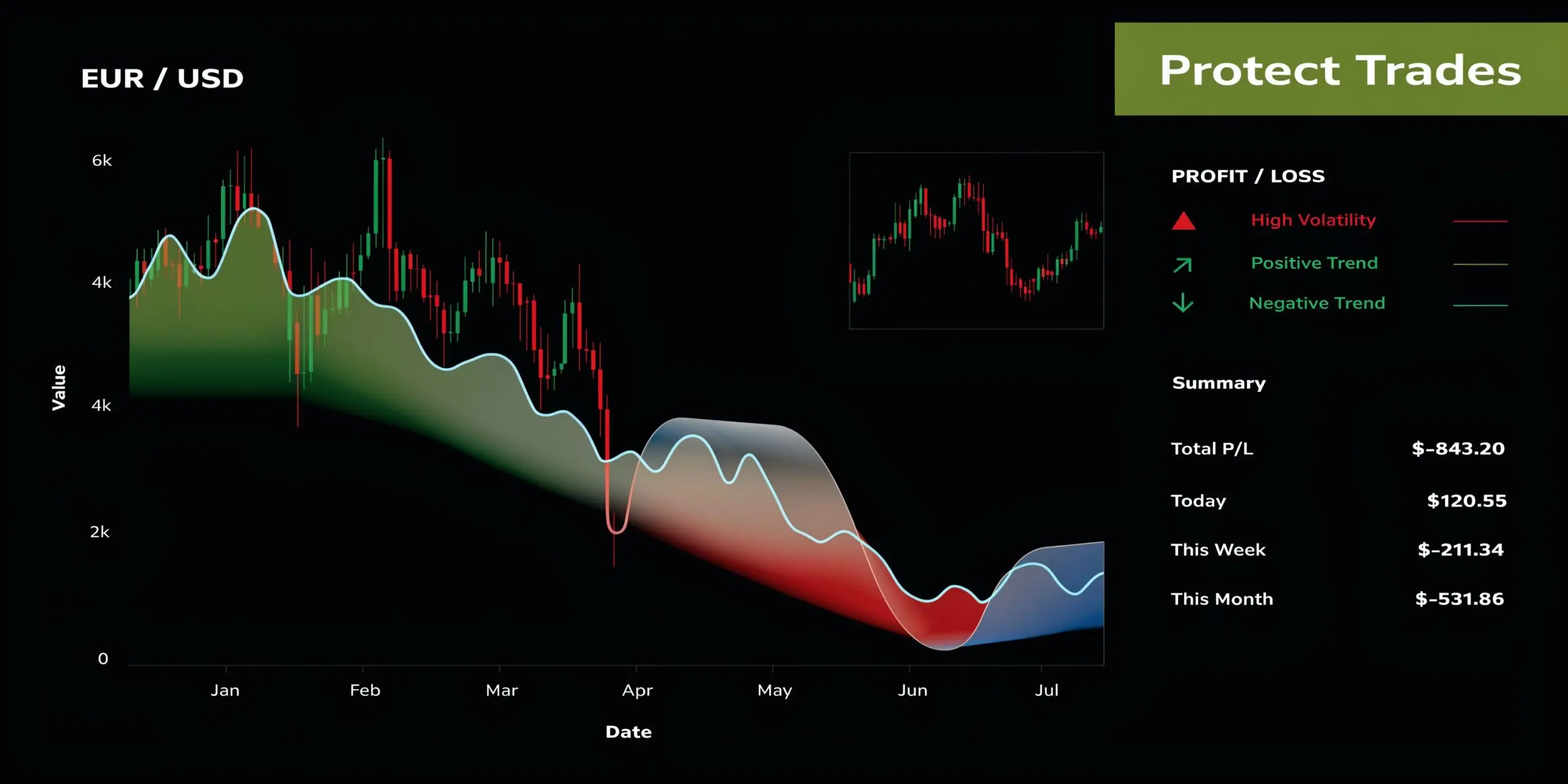
In plain terms, hedging in forex means opening another position that reduces or offsets the risk of your original trade. Sometimes that second trade is on the same pair. Sometimes it is on a related pair. The point is not to be clever. The point is to protect capital when market conditions stop being clean.
The need for hedging is not theoretical. In April 2025, global FX turnover hit a record $9.5 trillion per day, and higher-frequency estimates suggested over $1.5 trillion came from a hedging rush after major geopolitical news, according to the Bank for International Settlements review of the April 2025 FX surge. Big money hedges because volatility gets expensive fast.
For a prop trader, that matters even more because the account has hard rules. A sharp move is not just pain on the chart. It can end the evaluation or funded account.
Key takeaway: Hedging is not about proving your bias right. It is about controlling damage when the market stops behaving in a way your trade can tolerate.
If you use it correctly, hedging gives you time. Time to let news pass. Time to reassess. Time to protect the account instead of forcing a bad exit.
The Mechanics of Forex Hedging Explained
Hedging works best when you understand its job. It is there to reduce exposure, not to manufacture a win from a bad trade.
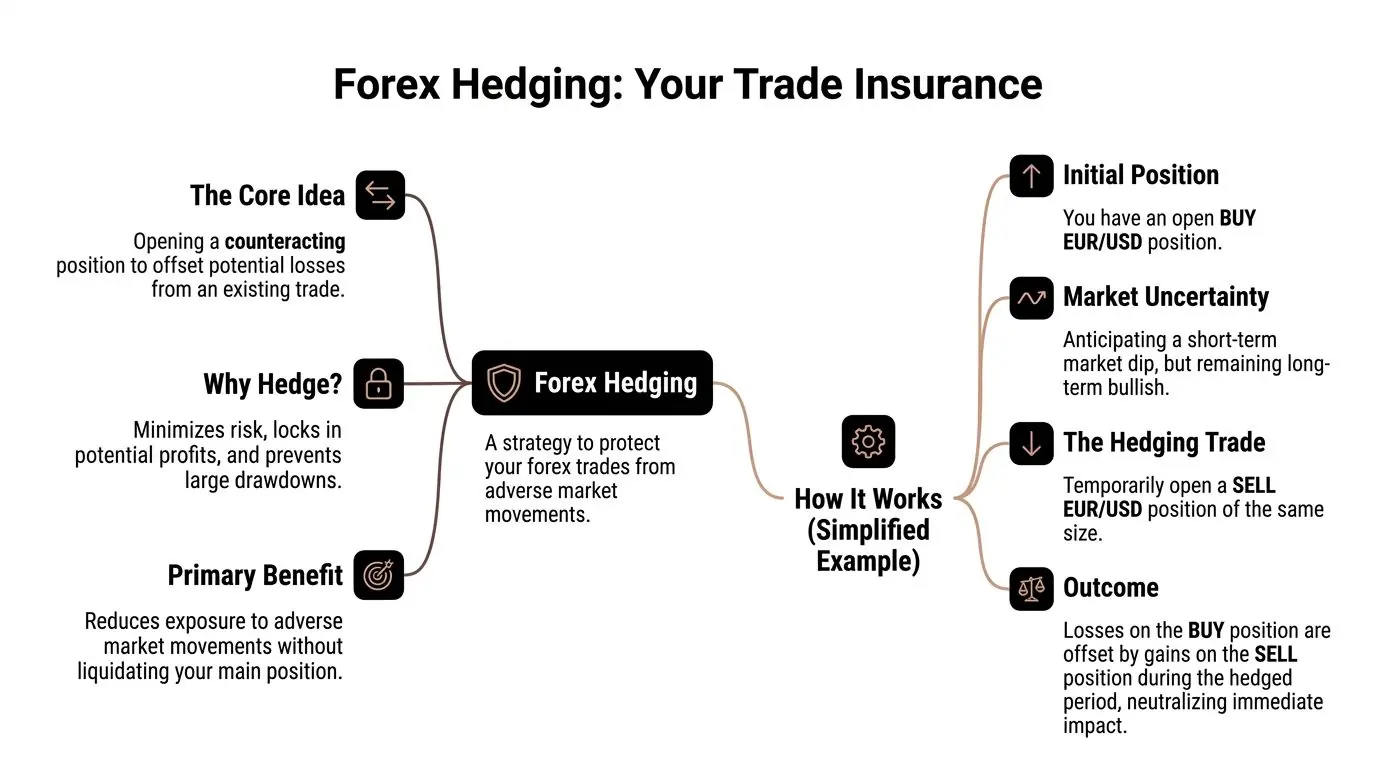
Consider it trade insurance. You pay for spread, maybe swap, and sometimes opportunity cost. In return, you limit what an ugly move can do while you decide what happens next.
Perfect hedge and imperfect hedge
A perfect hedge offsets the original trade as closely as possible.
If you are long EUR/USD and you open an equal-size short on EUR/USD, your directional exposure is basically neutral. Your open P&L stops moving much except for trading costs and small platform-specific details.
An imperfect hedge only reduces the exposure.
That might mean:
- shorting a smaller size than your original long
- using a different but related pair
- hedging only during a high-risk window such as a rate decision or payroll release
Both approaches have a place. Perfect hedges are cleaner. Imperfect hedges leave some market exposure on because you still want the trade idea alive.
Why serious traders hedge at all
Most newer traders ask the wrong question. They ask, “Can hedging make me more money?” The better question is, “Can hedging stop one bad sequence from doing outsized damage?”
That difference matters.
Historical evidence from equity currency hedging makes the point clearly. MSCI found that Japanese yen and Swiss franc investors saw the largest risk reductions with full 100% hedging, which reinforces a simple truth. The first purpose of hedging is volatility reduction, not return maximization, as shown in MSCI’s analysis of when to hedge currency exposure.
That same mindset applies to a forex trader under drawdown rules.
What a hedge does to your decision process
A hedge changes the trade from reactive to controlled.
Without a hedge, your choices usually shrink to three bad options:
- Close in panic.
- Hold and hope.
- Add risk at the wrong time.
With a hedge, you can slow the process down:
- keep the core idea alive
- cap near-term damage
- wait for news, structure, or confirmation
- unwind the hedge only when the market gives a reason
That last part is where many traders fail. They treat the hedge like a permanent solution. It is not. It is a temporary risk state.
What hedging does not fix
Hedging does not rescue a bad thesis. It does not erase cost. It does not remove execution errors.
If you hedge too late, too large, or without an exit plan, you can trap yourself in a messy book that drains the account slowly. You are no longer trading a clean setup. You are managing a problem.
Practical rule: If you cannot explain when you will remove the hedge, why you are adding it, and what market condition would prove it unnecessary, you are not hedging. You are delaying a decision.
Use hedging for capital preservation. That is the whole point.
Two Powerful Forex Hedging Strategies
Most traders only need two practical ways to hedge in forex. One is simple and direct. The other is more flexible but requires more skill.
Direct hedging
Direct hedging means opening an opposite position in the same currency pair.
If you are long 1 lot EUR/USD, you can open a 1 lot short EUR/USD to neutralize the trade. According to the FBS explanation of forex hedging mechanics, if EUR/USD then rises 50 pips, the long gains $500 while the short loses $500, for a net result of zero on directional movement. The same source notes that platforms such as cTrader often apply a single margin treatment for this kind of netted exposure, improving capital efficiency by nearly 50% compared with holding two separate unhedged positions. That example appears in the FBS guide to hedging in forex.
This is the cleanest form of hedge because it removes a lot of guesswork.
When direct hedging works well
Direct hedging fits moments like these:
- News risk is close You still like the larger setup, but you do not want to wear the immediate volatility.
- Your trade is in profit and vulnerable You want to stop the giveback without closing the core position.
- You need time The market is noisy, and acting now would be emotional rather than planned.
What makes it useful
The biggest strength of direct hedging is clarity.
You know:
- what you are hedging
- how much exposure is offset
- how the combined position behaves
- when the book becomes neutral
That makes it easier to manage under prop rules.
Where traders go wrong
The problem is not opening the hedge. The problem is getting stuck in it.
Common mistakes:
- hedging after the damage is already large
- forgetting spread and swap costs
- removing the wrong leg first
- turning a short-term hedge into a long-term deadlock
If you lock a position and do nothing, you are not managing risk. You are freezing it while costs keep ticking.
Correlation hedging
Correlation hedging uses a different pair that tends to move in a related way.
A classic example is this. You are long 1 lot EUR/USD, but instead of shorting EUR/USD, you short GBP/USD. FBS notes that EUR/USD and GBP/USD have a historical correlation of about 0.82, which means the second trade can neutralize a meaningful portion of broad USD-driven risk.
This approach is less precise than direct hedging, but it gives you flexibility.
Why traders use correlation hedging
Correlation hedging can help when:
- your platform settings or execution preferences make direct hedging less practical
- you want to reduce USD exposure without fully cancelling your euro view
- you believe one pair will hold up better than the other during a macro move
You are not trying to create a perfect lock. You are trying to soften the impact of a broad driver, usually the dollar.
The hidden risk
Correlation is not a promise.
Pairs can move together for long stretches, then split hard when their own fundamentals take over. A Bank of England surprise can move GBP/USD differently from EUR/USD. A euro-specific headline can do the opposite.
That means a correlation hedge can fail at the exact moment you expected protection.
Use correlation hedging only if you understand what is driving both pairs. Shared USD exposure is not enough on its own.
Side-by-side comparison
| Strategy | Description | Pros | Cons | Best For |
|---|---|---|---|---|
| Direct hedging | Open the opposite position on the same pair | Clear exposure offset, easier to monitor, often more margin-efficient | Can create locked positions, still pays costs, easy to mishandle exits | News protection, temporary pause, preserving an existing setup |
| Correlation hedging | Use a related pair to offset part of the risk | More flexible, keeps some original thesis active, useful for broad USD moves | Correlation can break, less precise, harder sizing decisions | Traders who understand pair relationships and macro drivers |
Which one should a prop trader choose
Use direct hedging if your goal is immediate damage control.
Use correlation hedging if your goal is to reduce exposure while still expressing a relative market view.
A simple filter helps:
- If you want to pause the trade, use direct hedging.
- If you want to reshape the trade, use correlation hedging.
A practical checklist before any hedge
Before adding either type of hedge, ask these questions:
- What exactly am I protecting against
- Is this a short-term event risk or a broader thesis change
- Do I want neutral exposure or reduced exposure
- What condition tells me to remove the hedge
- What is the cost of keeping it open
If you cannot answer those quickly, skip the hedge and reduce risk another way.
How to Execute a Hedge on cTrader and DXtrade
Execution matters more than theory when price starts moving fast. A hedge entered one click late, on the wrong size, or under the wrong account setting can create a mess instead of protection.
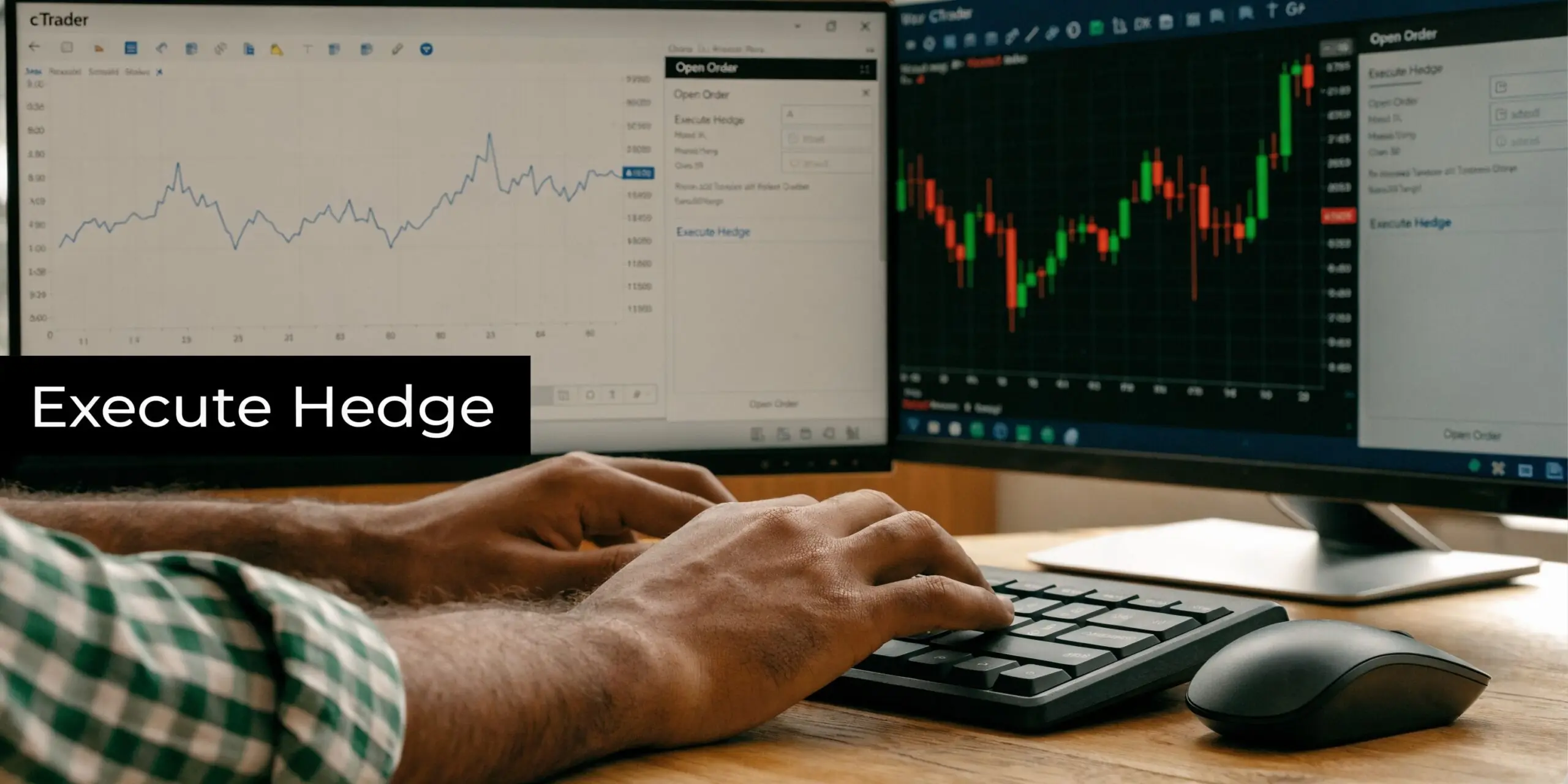
The first thing to check is simple. Make sure your platform and account setup support the type of hedge you want to place. If you need a refresher on platform differences, review the best FX trading platform options for active prop traders before live execution.
How to place a direct hedge on cTrader
cTrader is usually straightforward for traders who want clean manual execution.
If you already hold a EUR/USD long position, the workflow is:
- Open the TradeWatch or position panel and confirm the pair and size of your open trade.
- Pull up the EUR/USD order window.
- Enter the opposite side. If your original trade is a buy, place a sell.
- Match the volume if you want a full direct hedge. Use a smaller volume if you want a partial hedge.
- Confirm the order and check the positions tab immediately.
- Verify that both positions are visible and that your net directional exposure is what you intended.
What matters most is not the click itself. It is the verification after the click.
Check:
- pair
- direction
- lot size
- average entry
- whether both legs remain open separately
If your intention was a full lock, but the sizes are different, you are not neutral. You are partially exposed.
How to place a hedge on DXtrade
DXtrade can feel slightly different depending on the layout and broker configuration, so the logic matters more than the exact button placement.
Use this sequence:
- Confirm the original open position in the positions panel.
- Select the same instrument if you want a direct hedge.
- Enter the opposite order direction.
- Double-check volume before sending the order.
- Review the post-trade position display carefully.
The biggest trap on any platform is assuming the system handled the trade the way you expected. Never assume. Confirm.
A practical pre-news workflow
Suppose you are long EUR/USD and a major release is minutes away.
A disciplined routine looks like this:
- mark your original thesis level on the chart
- decide whether you want a full hedge or partial hedge
- define the event window you care about
- place the opposite order before volatility expands spreads too much
- watch how the combined position behaves, not just the original leg
- remove the hedge only when the market gives a reason, not because you are bored
What to monitor after the hedge is active
Opening the hedge is only half the job.
Watch these things next:
- Net exposure Make sure your total book reflects the intended protection.
- Costs Spread and holding costs matter more once two trades are open.
- Platform behavior Confirm the trade is being displayed in hedge mode, not flattened in a way you did not expect.
- Exit trigger Know what chart event, news reaction, or invalidation level tells you to unwind.
Execution tip: Take a screenshot of the book after the hedge is on. In fast markets, traders often remember what they meant to do, not what they did.
When not to execute a hedge
Do not hedge just because the trade feels uncomfortable.
Avoid it when:
- your stop was already the correct risk tool
- the setup has clearly failed
- spread is blowing out and execution is poor
- you have no plan for unwinding either leg
In those cases, the clean decision is often better. Close, reassess, and move on.
Hedging and Your MyFundedCapital Account Rules
A hedge only helps if it fits the account rules. Otherwise, it becomes another source of confusion, cost, and unnecessary drawdown pressure.
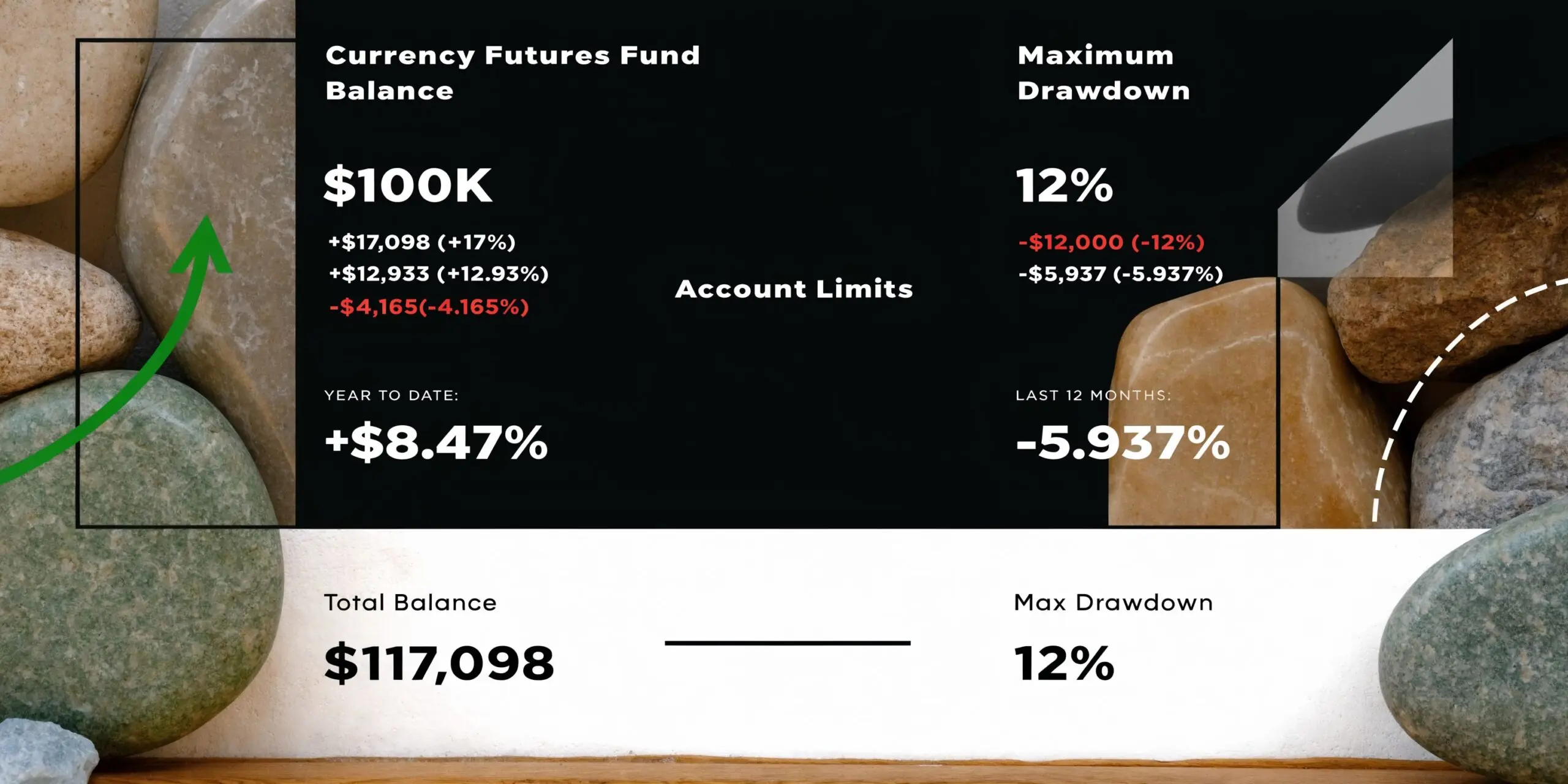
If you trade under a prop model with a 5% daily loss limit and 10% maximum drawdown, the hedge is not there to improve your chart analysis. It is there to help prevent an ordinary trading day from becoming an account-ending day.
Read the exact restrictions before using any hedge inside a challenge or funded account. The clean reference is the official page covering the funded trader rules.
The account-rule view of a hedge
Many retail traders think about a hedge in terms of the trade. Prop traders need to think about it in terms of the account.
That means asking:
- Does this reduce the speed of equity drawdown?
- Does this help me avoid breaching the daily cap?
- Can I manage both legs without overcomplicating the book?
- Are the costs justified by the protection?
If the answer to those questions is no, the hedge is probably the wrong tool.
The cost of insurance
Hedging is never free.
You may pay:
- spread on both legs
- swap if the hedge stays on
- opportunity cost if the market moves cleanly and your hedge blocks upside
- mental cost from managing two decisions instead of one. Many newer traders get trapped here.
A rarely discussed issue is what happens when a trader locks a position and cannot find a clean exit. According to the YouTube material cited in the verified data, trading forum discussions suggest 60% to 70% of hedged retail trades fail to exit profitably, often because swap fees and poor planning turn a temporary defense into a stuck position. That makes a big difference when you are operating under a firm’s 5% daily cap.
When a hedge helps and when it hurts
A hedge helps when:
- the core trade idea still has merit
- the threat is short-term volatility
- the hedge is sized correctly
- the exit plan is clear before entry
A hedge hurts when:
- it is opened after panic already set in
- the original thesis is invalid but the trader refuses to close
- costs pile up while both legs sit there
- the trader starts managing hope instead of risk
Important: A hedge should reduce account stress. If it creates more confusion than protection, flattening the trade is the better professional decision.
A simple discipline framework
Use this framework before placing any hedge inside a rule-based account.
Before the hedge
- State the threat News spike, temporary uncertainty, or pair-specific volatility.
- Define the purpose Full lock, partial reduction, or short event cover.
- Set the unwind condition Time-based, price-based, or structure-based.
During the hedge
- Monitor combined exposure Judge the whole book, not one leg.
- Track cost If the reason for the hedge fades, remove it.
- Stay honest If the setup is dead, close it.
After the hedge
- Review the sequence Did the hedge preserve the account, or just delay a proper exit?
- Log the result Traders improve fast when they track hedge decisions, not just entries.
For prop trading, that review matters as much as the trade itself. A clean hedge can keep you inside the rules. A sloppy one can burn time, focus, and room for error.
Frequently Asked Questions About Forex Hedging
Is a hedge in forex better than a stop loss
No. They do different jobs.
A stop loss is your first line of defense. It defines the point where the setup is wrong or no longer worth the risk. A hedge is a secondary tool for situations where the setup may still be valid, but short-term conditions are unstable enough that you want temporary protection.
If you use hedging to avoid taking a proper stop, you usually make the trade harder, not safer.
A simple approach:
- use a stop when the idea is invalidated
- use a hedge when the idea is still alive but immediate conditions are dangerous
Can beginners use direct hedging safely
Yes, but only if they keep it simple.
Direct hedging is easier to understand than correlation hedging because the relationship is obvious. Same pair, opposite direction, clear exposure.
What beginners often do wrong is overcomplicate the exit. They know how to open the hedge, but not how to unwind it. That is why a written plan matters:
- What event triggered the hedge?
- What confirms the danger has passed?
- Which leg comes off first?
- At what point do you abandon the whole trade?
Without those answers, the trade turns into a slow management problem.
What is over-hedging and under-hedging
This is one of the most ignored parts of the topic.
According to the verified data tied to the Okumarkets discussion, under-hedging 50% of a $100K position still leaves $50K exposed, which can be enough to breach a prop firm’s 5% daily loss limit on a volatile day. The same source also notes that strategic under-hedging in rising rate environments can be profitable, but it comes with materially higher volatility risk, a trade-off that much generic content ignores.
In practice:
- Under-hedging means you still carry more market exposure than you think.
- Over-hedging means your protection becomes a new source of risk because the hedge is too large or no longer matches the original exposure.
Both are dangerous because they create false confidence.
A good hedge is sized with intent. Not rounded casually. Not guessed. Not placed because the market feels scary.
Should you hold a hedge overnight
Only if the reason for keeping it is stronger than the cost and complexity.
Overnight hedges can make sense around multi-session uncertainty, but they become expensive if you are just postponing a hard decision. The longer a hedge stays open, the more likely it is that:
- the market structure changes
- your original thesis weakens
- carrying cost matters more
- the book becomes harder to read
For most active traders, a hedge should be temporary. If you find yourself carrying it without a clear reason, you probably need to reduce or close the position instead.
Rule of thumb: The longer a hedge stays on, the higher the burden of proof for keeping it.
Start Managing Your Risk Like a Pro
A professional approach to a hedge in forex starts with honesty. You are not trying to outsmart volatility. You are trying to survive it without breaking your rules or your process.
Used properly, hedging can help you:
- reduce exposure during unstable periods
- protect open equity without dumping every trade too early
- stay composed under strict drawdown limits
- manage risk in a way that matches how serious traders operate
Used poorly, it becomes an expensive delay tactic.
That is why the best traders treat hedging as part of a broader risk framework. They know when to lock risk, when to cut the trade, and when to leave the setup alone. They also understand that macro events can change the environment quickly. If you want a wider lens on how institutions and investors think about protection during geopolitical and trade shocks, this breakdown on how to hedge your portfolio against broader economic risks adds useful context.
For day-to-day trading, keep the process simple:
- define the reason for the hedge
- size it intentionally
- know the removal trigger before entry
- review the result after the trade closes
If you want to sharpen that process further, study these practical forex risk management strategies and build hedging into a full account-protection plan.
Trading involves risk of loss. Hedging reduces certain risks, but it does not remove them. This article is educational only and not financial advice.
If you want to apply this kind of disciplined risk control in a structured prop environment, explore MyFundedCapital. Compare its 1-Step and 2-Step Challenges, review Instant Funding options, and choose the account type that fits your trading style and risk process.