

 AR
AR
 NL
NL
 EN
EN
 DE
DE
 ES
ES
 IT
IT
 PL
PL
 SV
SV
 PT
PT

If you searched verify 2k account, you might have started in the wrong category and still landed in the right place. A gamer usually needs an email click. A funded trader needs a real KYC review, and that review is what stands between a passed challenge and an actual payout.
This guide is for traders working with a small funded account, including the common $2,000 account path. It covers what documents to prepare, how the verification flow usually works, how to link a payout method, and what to fix when compliance rejects a submission. Trading involves risk of loss, and this article is educational only, not financial advice.
Your Guide to Verifying a Funded Trading Account
When people search verify 2k account, they often mean an NBA 2K login issue. In that world, the official NBA 2K flow is simple. After clicking the email link, the user reaches a confirmation page that says “Your NBA 2K Account has been verified” on the official NBA 2K verification page.
Trading account verification is different.
A prop firm has to know who you are before it sends money to you. That means your payout process usually depends on identity verification, address verification, and a payout setup review. If you're new to funded trading, start by understanding what a funded account is so the KYC step makes sense in context.
Practical rule: Passing a challenge proves trading performance. KYC proves the firm can legally and safely pay the person behind the account.
That's the mindset you want from day one. Treat KYC like part of your trading process, not an annoying admin step after the fact.
A useful comparison is employment screening. If you've never gone through a formal verification workflow before, these reliable methods for employment verification show the same core idea. Accuracy matters more than speed, and mismatched details create delays.
Here's what usually works best:
- Prepare documents before you request a payout
- Match your profile details to your legal documents
- Use a real residential address, not a shortcut
- Expect review, not instant approval
If you handle verification with the same discipline you use for risk management, the process usually goes much smoother.
Gathering Your Documents for KYC Verification
Most verification delays start before the upload. Traders rush, grab the nearest document, crop a photo badly, and then wonder why compliance sends it back.
The cleaner approach is to build a small KYC pack before you log in. For funded accounts, that usually means proof of identity and proof of address.
What to prepare before you upload
Think of this as a pre-flight check.
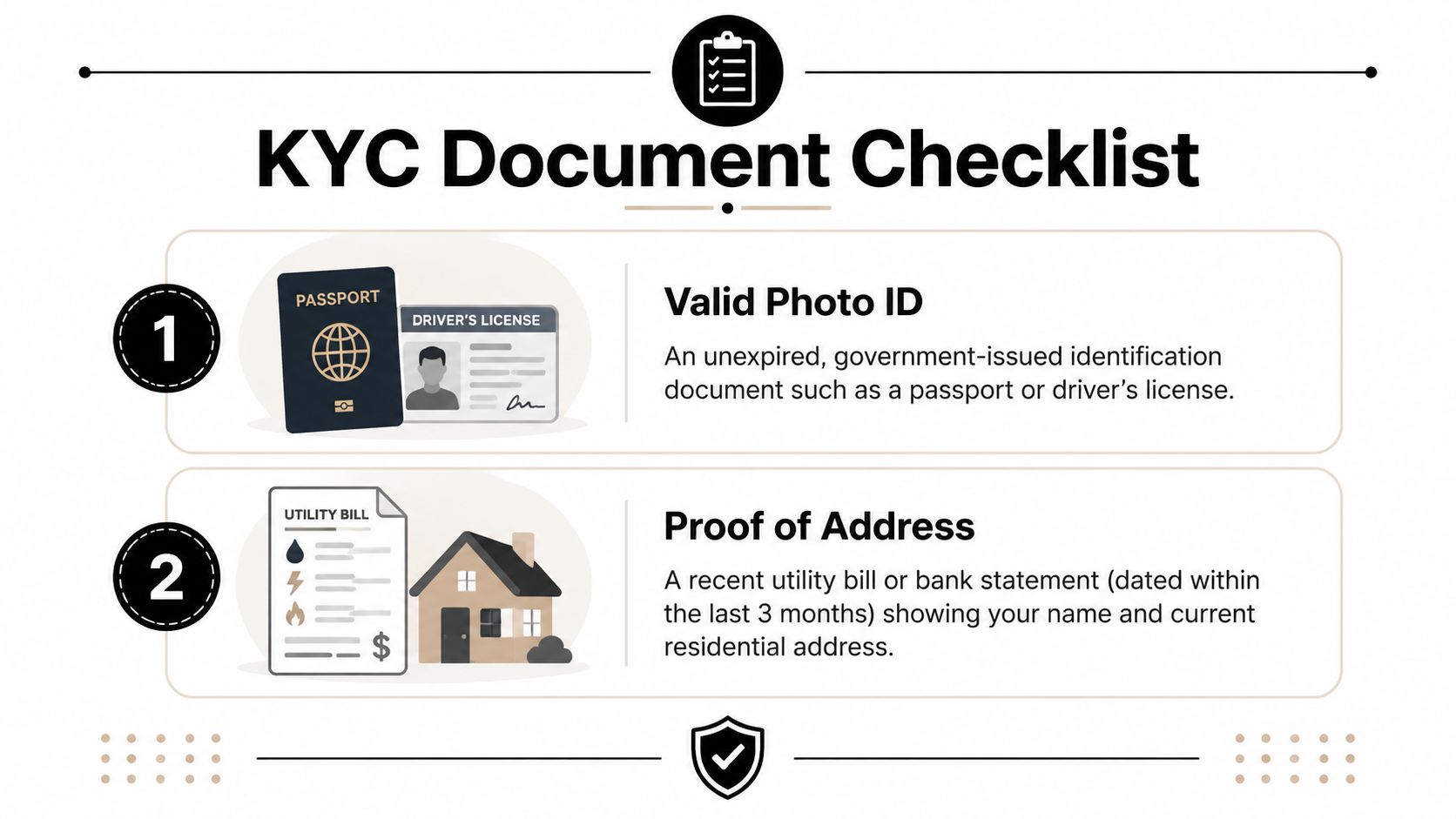
- Photo ID: Use a government-issued ID such as a passport, driver's license, or national ID card. It needs to be valid, readable, and clearly yours.
- Proof of address: Use a recent document that shows your full name and residential address. Common examples include a utility bill, bank statement, or government correspondence.
- Matching profile details: The name and address on your funded account should line up with what your documents show.
- Clean files: Don't edit, crop aggressively, or cover details unless the firm explicitly allows it.
If you're reviewing whether a document edit is acceptable, this breakdown of a redacted bank statement is useful because it shows why some redactions are acceptable in one context and suspicious in another. For KYC, firms usually want the key identifying fields fully visible.
Submit the exact document compliance wants, not the document you hope they'll accept.
Proof of identity and proof of address are different checks
A lot of new traders mix these up.
Your proof of identity confirms that you are a real person with a legal identity. Your proof of address confirms where you live. One document rarely covers both well enough unless the firm says it does.
A simple checklist:
| Document type | What compliance looks for | Common mistake |
|---|---|---|
| Photo ID | Name, photo, validity, full document visible | Expired ID or glare |
| Proof of address | Name, address, recent issue date | Old statement or partial screenshot |
For funded-account questions that come up after approval, it helps to review a firm's live account FAQ before you submit anything. That reduces avoidable back-and-forth later.
Age and legal eligibility matter
In gaming, age checks can trigger a parent or guardian flow. The official NBA 2K26 guide says the system checks a player's region and date of birth, and underage users may need parent or guardian permission through an age-verification process described by NBA 2K Support.
For trading, that issue is stricter. You generally need to be a legal adult and able to complete verification yourself. There isn't a casual workaround for that.
The Step-by-Step Account Verification Process
You pass a challenge, get funded, and then hit the part many new traders underestimate. Compliance asks for identity checks before the account can move toward payouts. If you rush this step, a clean trading result can still turn into a delay.
On most prop firm dashboards, the verification area sits under KYC, Verification, Profile, or Account Review. The labels change. The workflow usually does not.
The usual verification flow
A standard review looks like this:
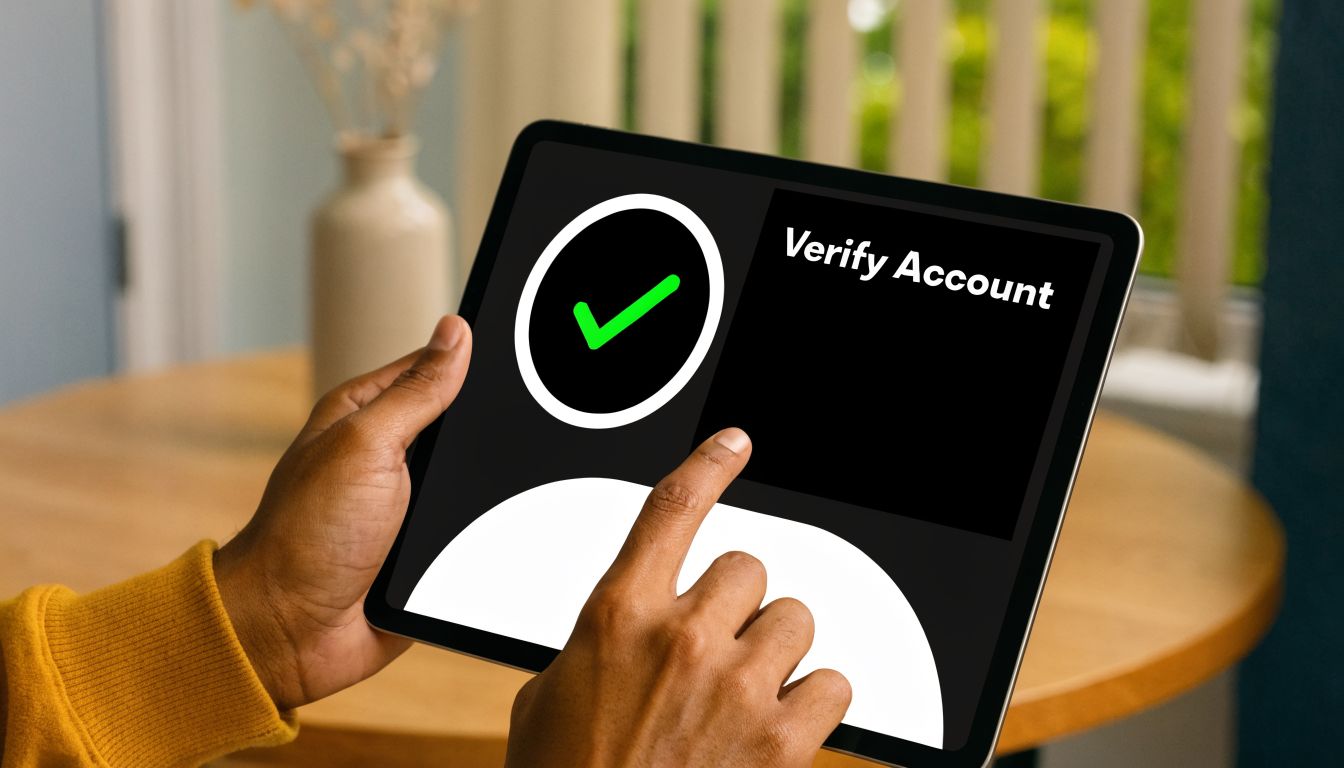
Open the verification page
Sign in to your trader dashboard and go to the compliance or KYC area.Upload your photo ID
Some firms ask for front and back images. Make sure the full document is visible and readable.Complete the selfie or liveness check
This may be a selfie, a short video, or a guided face scan. The point is to match you to the ID you submitted.Upload proof of address
Send the full document. If the portal accepts PDFs, use the original file instead of a phone screenshot.Submit and wait for review
Your status may change to pending, under review, or in compliance review.
That is the mechanical part. Approval depends on accuracy.
What helps your approval go through faster
Good KYC is mostly about reducing avoidable friction for the reviewer.
- Use even lighting: Window light works well because it reduces glare and keeps text readable.
- Keep the document flat: Curved edges, fingers over corners, and shadows create preventable rejections.
- Match your profile details to your documents: If your dashboard says Mike and your ID says Michael, correct it before you submit.
- Use the original file when possible: A bank statement PDF is usually easier to review than a cropped image.
- Do one clean submission: Reuploading different versions too quickly can slow manual review.
I tell new traders to treat KYC like a risk check, not a formality. Compliance teams are looking for consistency across your account details, ID, and address file. If something does not match, they stop and ask questions.
Why "verify 2k account" means something different here
A lot of people searching verify 2k account are looking for help with a gaming login, age check, or email confirmation. That is a different problem.
For a funded trader, account verification is tied to compliance and payout eligibility. The firm needs to confirm who controls the account before it can approve profit withdrawal steps. That is why the process feels stricter than a standard consumer account check.
What to do while your review is pending
Patience helps here.
Do not keep uploading new files unless the portal asks for them or support tells you to replace something specific. Multiple submissions can create confusion, especially if one version is clear and the next one is worse.
Use this waiting period to check the firm's profit withdrawal workflow and account review steps. That gives you a clearer picture of what happens after identity approval, without guessing your way through the payout stage.
If the review comes back with a rejection, read the exact reason first. "Blurry image," "document expired," and "address mismatch" each need a different fix. Traders waste time when they send a better photo for the wrong problem.
Linking Your Bank or Crypto Payout Method
Identity approval doesn't automatically mean you're ready to get paid. You still need to link a payout method that the firm can use when you submit a withdrawal request.
Many traders lose focus at this stage because they think the hard part is over. It isn't. A wrong bank field or a wrong crypto network can delay a payout or create a much bigger problem.
Bank payout setup
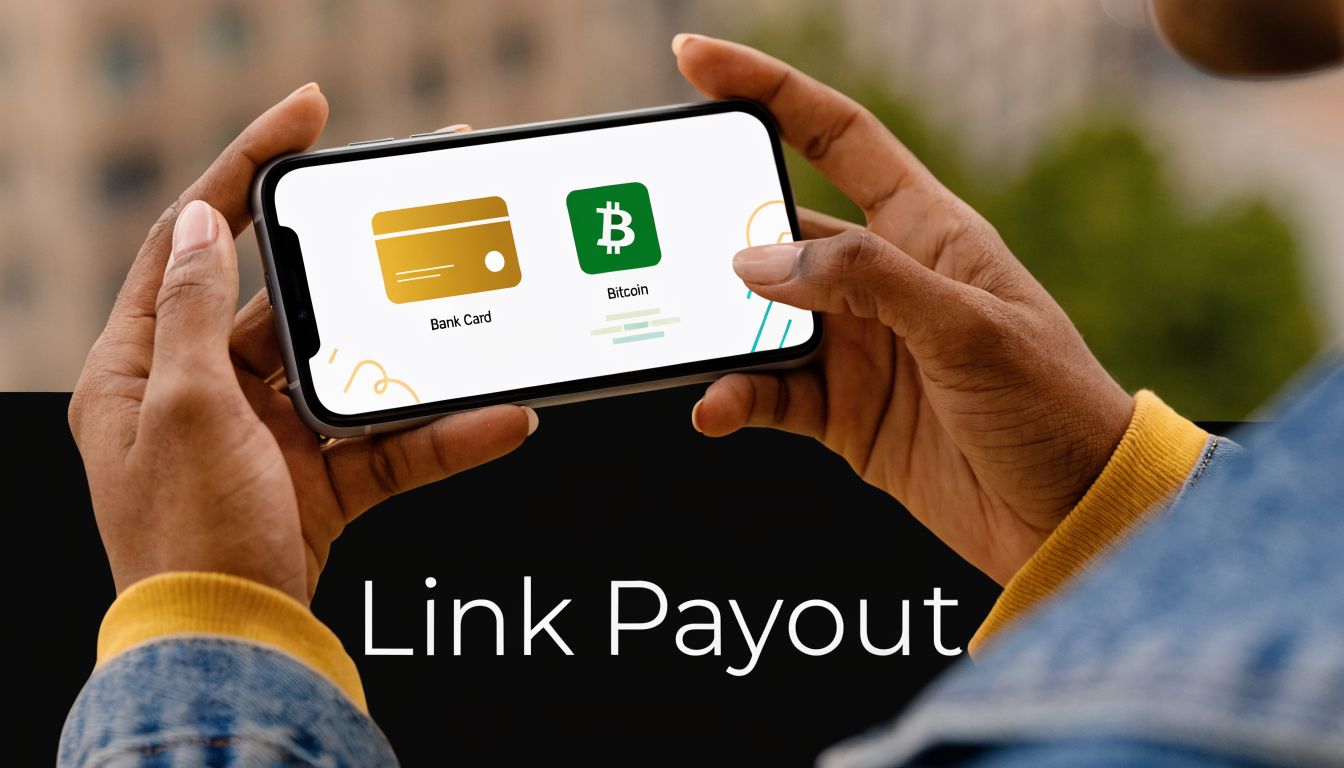
If the firm pays by bank transfer, you'll usually need standard banking details. That may include your account number, bank name, routing details, SWIFT information, or the exact account-holder name.
Use this bank checklist:
- Account-holder name: It should match your verified identity
- Bank details: Copy them directly from your banking app or statement
- Receiving currency: Confirm what currency the payout will arrive in
- Transfer method: Check whether the firm uses direct wire or a transfer partner
Crypto payout setup
Crypto payouts can be fast and flexible, but they punish mistakes. Most problems come from traders using the wrong wallet address or selecting the wrong network.
A safer process looks like this:
- Copy and paste the wallet address
- Confirm the exact token the firm supports
- Match the network exactly
- Store the address in a secure password manager or wallet note only if you trust that setup
If a firm says USDT on a specific network, send and receive exactly that. Similar names don't make them interchangeable.
Before you request your first withdrawal, review the firm's profit withdrawal process so you know what fields, timing, and confirmations are expected.
Security habits that save pain later
Treat payout data like account credentials.
Never type a long wallet address by hand. Never submit bank details while distracted. Never assume the system will “figure out” what you meant if a field is incomplete. Traders are usually disciplined with entries and stops. Bring the same discipline to payouts.
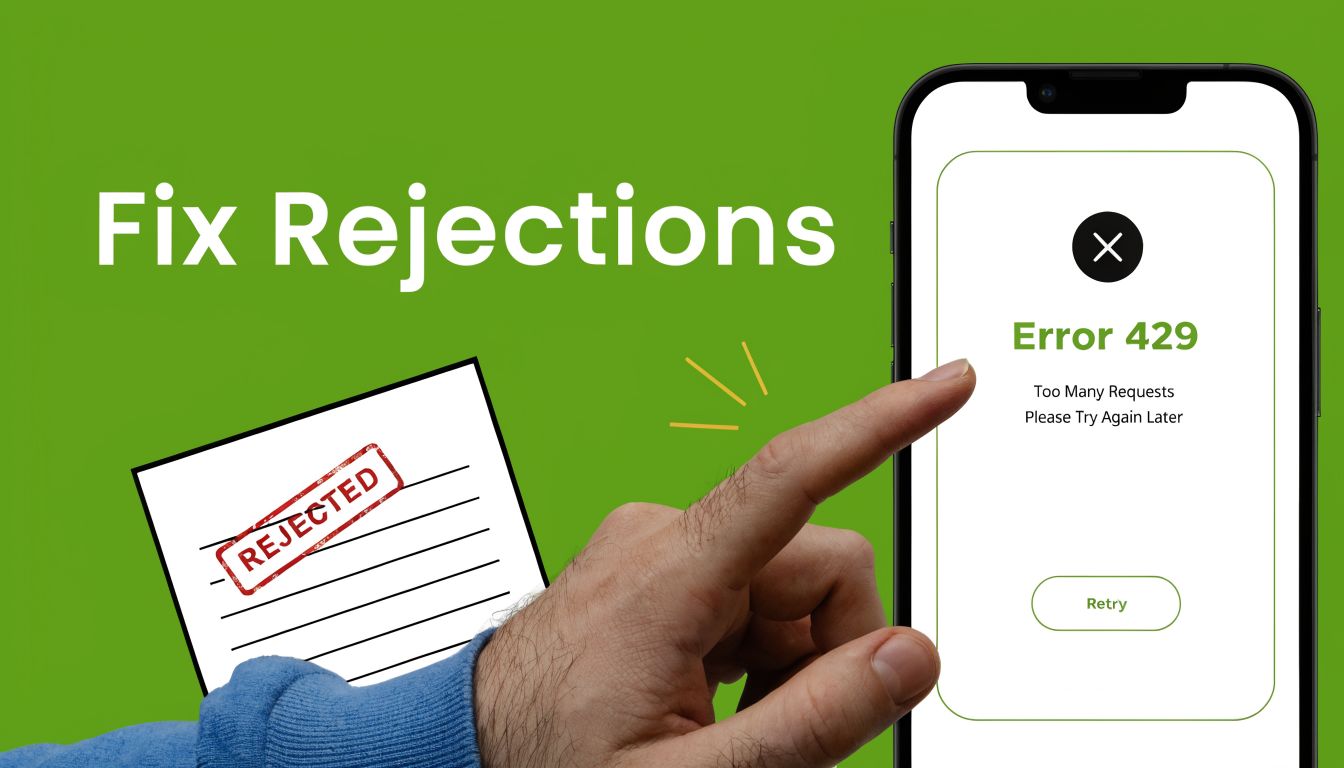
Common Rejection Reasons and How to Fix Them
Most verification rejections are preventable. They usually come from mismatched details, unreadable files, or documents that don't meet policy.
The right response isn't frustration. It's diagnosis.
The mismatch problem
In 2K account troubleshooting, support says users should confirm that the correct email address is linked to the account in the 2K account troubleshooting guide. In funded trading, the more important version of that rule is this: your legal name and address must match your account profile and your submitted documents.
If your profile says one thing and your documents show another, compliance may stop the review.
Common examples:
- Shortened first name: “Jon” on the account, “Jonathan” on the ID
- Old address: Current profile doesn't match your latest residence
- Middle-name inconsistency: Present on one document, missing on another
- Business address used by mistake: The firm needs your residential address unless it says otherwise
The document-quality problem
A valid document can still fail if the image is poor.
Use this quick troubleshooter:
| Rejection issue | What it usually means | Best fix |
|---|---|---|
| Blurry image | Text or photo can't be read | Retake in better light and hold steady |
| Cropped document | Review team can't see full edges | Upload the full document with all corners visible |
| Reflection or glare | Important fields are obscured | Move the light source and retake |
| Unsupported file | Portal can't process it properly | Convert to an accepted format |
What not to do after a rejection
This part matters.
- Don't upload the same failed file again
- Don't open multiple support tickets for the same issue
- Don't argue with a generic rejection before checking your own details
- Don't edit a document unless the firm explicitly allows it
A rejection notice is usually specific enough to fix the problem if you read it literally.
When support should get involved
Contact support when the rejection reason is unclear, when your country uses unusual address formats, or when your legal documents contain a naming convention that doesn't fit the portal cleanly. Explain the issue directly and attach the relevant evidence once, clearly labeled.
That usually gets better results than sending repeated one-line messages asking for approval.
Frequently Asked Questions About Account Verification
How long does funded account verification usually take
It depends on the firm and the review queue. Some approvals move quickly, but it's smarter to assume compliance needs time to review your file properly. If your documents are clear and your profile matches them exactly, the process is usually much smoother.
What if I live somewhere with a non-standard address format
Use the most official document available that shows your residential location in the format your country uses. If your address doesn't fit neatly into a standard form, contact support before uploading and ask what document type they prefer.
What happens if I move after I'm verified
You should expect to update your address details and submit a new proof-of-address document. Keeping your profile current isn't optional if the firm ties payouts and compliance records to your residence.
Can I verify a trading account the same way I verify 2k account access for gaming
No. The search term overlaps, but the process doesn't. A gaming account can revolve around email confirmation and account access. A funded trader payout process usually requires document review, identity checks, and payment-method setup.
Verification is part of trading professionally, just like sticking to drawdown rules or tracking your executions. Do it carefully once, and you avoid most payout problems later. Trading involves risk of loss, and this article is educational only, not financial advice.
If you're ready to trade within a structured payout and verification framework, review the account options and challenge paths at MyFundedCapital. Compare the funding models, check the rules carefully, and choose the setup that fits your trading style and risk tolerance.
